As you know, I have tried do grow organically over these four years or so. I have always believed that working with nature makes more sense than working against it: fire-fighting against pests with chemicals, for example, instead of working in a balanced ecosystem with pests and predators even themselves out – that at least is the thinking.
In my efforts to do and know more, I have been a member of several organisations in the organic sector, among which the Soil Association, but somehow I never bothered why they were called like that. Then, I had a eureka moment earlier this year, when I read something: you should not be fretting so much about your plants but first and foremost care for the soil they grow in, because if the soil is healthy the plants (more or less) then take care of themselves. The soil sustains all life.
So I started thinking: how to take better care of my soil?
CROP ROTATION
I have practised 4-year rotation quite strictly according to Garden Organic suggestions.
Crop rotation is an ancient system, it dates back at the very least to the Romans who apparently called it “food, feed and fallow”. It helps with management of both soils and pests, namely:
- pests and diseases are family-specific, and some of them may persist in the soil, so if you keep growing the same plants over and over again in the same spot you are more likely to be hit;
- families of plants use up more or less the same type of nutrients, so if you grow the same plants over and over again in the same spot, they will use up all the same nutrients and there will be little or none left in the soil, leading to all sorts of problems (depletion, erosion etc).
Garden Organic suggests to divide plant families in 4 groups (I provide links to Wikipedia but do not bother too much with family names as they change all the time as botanists becomes clearer which plants belong to which family, and whether a family is still a family or some sort of sub or super-grouping of something else).
The groups are labelled A,B,C and D, which I find quite convenient to mark my beds on the plot:
A: solanaceae (the nightshade family, including tomato peppers and potato), cucurbitaceae (your pumpkins and courgettes);
B: alliaceae (garlic and onions); papillonaceae (peas and beans, vetches and clovers);
C: brassicaceae (the cabbage family, also including spicy salads i.e. rocket and cress); poaceae (the grasses, including cereals and corn); asteraceae (the daisy-shaped flower family, including most salads that are not spicy);
D: apiaceae (the plant that have flowers umbrella-shaped i.e. parsley, carrots, parsnips), chenopodiaceae (mostly weeds but also spinach and beets) – both families together can be roughly identified as the root crops.
There are other families with less common plants, those are outside the rotation and can make up an extra year in the rotation or could be associated – consistently – with another group.
Crop rotation goes with other methods of soil care, which I am planning to discuss later on.
COMPANION PLANTING
Of course, even within the sustainable agriculture persuasion (basically anything but monoculture), there are other schools of thought. For example, one that advocates something that is not so neatly organised: “companion planting“. This is also about pairing plants/grouping, on the basis that:
- some pests locate the crops by sights (mixed planting confusing them);
- some plants emit smells that can deter pests from other plants;
- some plants may provide nutrients for other plants.
There’s no excess of scientific evidence of this working – possibly because of lack of interest from science, which nowadays seem to be mostly focussed on technological innovation, genetic engineering to create new and “better” species at the forefront. But it makes sense to me and a notable example of this system was traced back to the Americas where the “three sisters”: corn, beans and pumpkins were planted together – corn providing a climbing support for the beans, which fix the nitrogen for hungry pumpkins and pumpkins shading the roots keeping weeds at bay etc.
INTERCROPPING AND CATCH CROPS
About Me
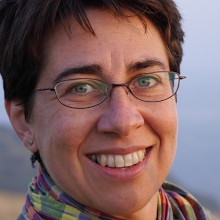 M.Paola, that’s me
I got my first allotment in the UK in 2007 and started growing my own food. Learning as I went along was not enough, so I studied horticulture. Faced with the horticultural warfare, I became a conscientious objector: I use no chemicals and support organic principles and regulations.
Brexit gave me a new life in the Netherlands, three new plots by a nature reserve and an MSc in sustainable food systems.
I write in my personal capacity and, as a language perfectionist and a non native speaker, I keep reviewing my entries’ text for clarity.
Some Rights Reserved

This work is licenced under a Creative Commons Licence.