Orto di Casa Cecconi

My first allotment, and then one thing leading to another…

  • Surprise!

    Male or female asparagus, slugs, wildlife pond, crop updates.
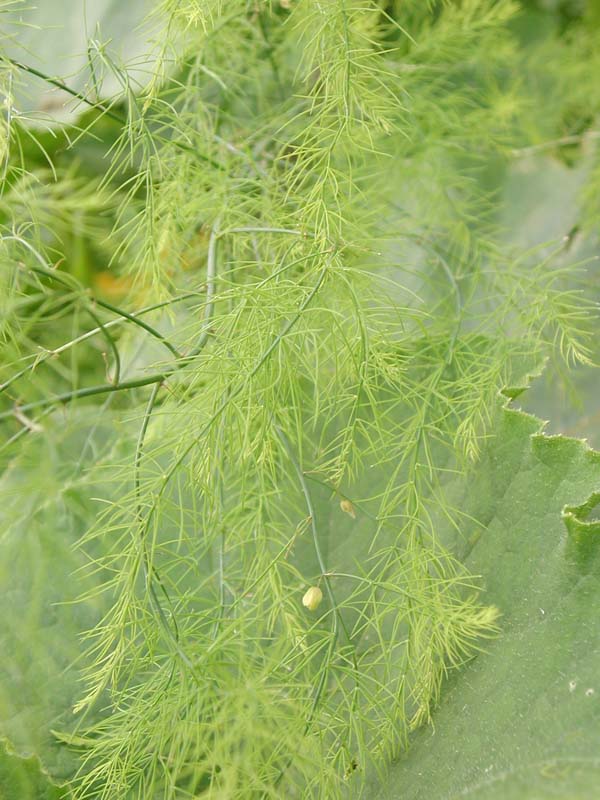
    I was all set on pulling the female asparagus plants today: my plan was to create a separate bed only for them. However, when I got there no sign of either berries or yellow flowers (that yellowy thing in the picture should be one). Now I am not sure which plants I have to pull, so I suspect I’ll leave it for this year. It must have been birds, as slugs would leave traces on the plants as well, but there was none.

    Talking of slugs, they are really the major pest in my allotment and I will have to come up with some serious plan for next year – the cime have all gone, most of the new round of turnip’s seedlings disappeared, the salad patch is a wasteland and several of my potatoes have been tunnelled into by as many as 10 slimy creatures together.
    Today I have bought collars woven with copper fibres and I think I will have to resort to nematodes as beer traps have not worked: more ground beetles than slugs drowned, which is no good as ground beetles feed on slugs and knocking them off is not a good move.

    I have planted Marsh Marigold and Purple Loosestrife in and around the pond respectively, and had a go at creating a toad cavern with flint and a spare tile I found abandoned around, let’s see if it stands the weather this winter. As soon as the pond gets clear again of the mud I have stirred today I will create an island for the frogs to sunbathe on, by placing bricks on the bottom of the pond and a concrete slab on top, as suggested by VeggieGlobal.

    The pumpkins are growing quickly and so are the French beans. The transplanted Florence fennel is putting out new feathery fronds, which I decide to interpret as a good sign, hoping that the bulb will follow after the leaves. I managed to pick one ripe tomato Tigerella from the greenhouse, while a handful I had to throw because they were diseased. Finger crossed for the rest.

    And the only surviving chili plant has one single flower on. I am wondering whether I should cover it now before it gets too cold. After all the hassle to grow chilies, I hope this “Hot Mexican” is a perennial species, I may still find the seed packet and be able to check.
  • I’ll never do a raindance again

    On watering and rain, pumpkin or squash, male or female asparagus.

    I hate watering, and last summer I had to do quite a bit of it, hence my raindance, which incidentally seems to have worked far too well! It is incredible the amount of rain that has poured in the last few weeks, and it doesn’t look as if it is over yet either… However, over the weekend I have sneaked briefly to the allotment in the breaks between showers.

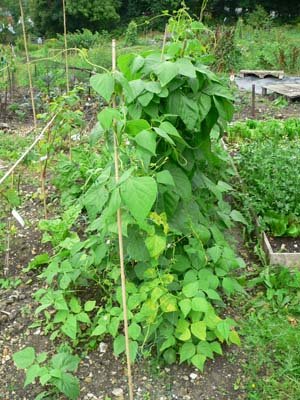
    The French beans are doing well, despite the wobbly staking; I picked my first 150gr and had them simply boiled with olive oil – they tasted amazing, so fresh!

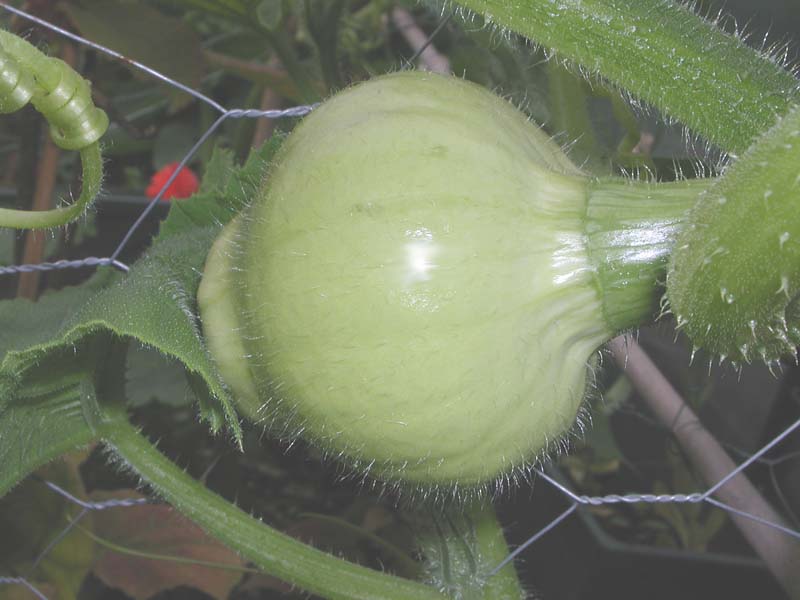
    Pumpkins have decided they will take over the plot and are doing their best: I spent most of my time today pulling strings for them to run on. I was not aware that the flowers smelled so strong and sweet, and it is lovely to see the fruit forming.

    I have called them pumpkins but they might well be squashes: I do not know exactly what they are as I saved some seeds from my organic vegbox last year (when I was still a newbie gardener ;)) and did not think of writing down the name.

    I am happy they are doing well also because I shared some of the seedlings with Claire, who only got her allotment in July and was starting from scratch. Although I warned her I was not sure what would come of the plants, it would have been horrible if they turned out to be worthless!

    Pull out or not? Pull out or not? The best of my asparagus fern has berries on it, and the second best has yellow flowers… apparently female asparagus (the one with the yellow flowers and berries) is lower quality, so the instructions that came with the crowns suggested to pull out any plants that ended up with berries on them. I have done some research tonight and it is confirmed that the yield is lower on female plants; moreover, seedlings from the berries lead to overcrowding of the bed. Will I manage to pull a plant that looks healthy and beautiful? This is the time for me to think of the bigger picture and sacrifice a couple of plants for the greater good…

  • Autumn’s marching on

    Autumnal mood, wildlife pond and gardening, wind and staking.

    My visits to the allotments in the last couple of grayish days have thrown me in a blue mood: the lush green – both vegetable and weeds – is receding, bed by bed, and quite surprisingly it is affecting me! I do not know why, it’s not that there are fewer interesting things, or less to do.

    Certainly not less to do, there is enough to keep me busy for the whole winter, such as building shelving in the shed, experiment with mushrooms in the greenhouse, dig the last beds, plan for next year, improve the pond…

    And talking of interesting things, the pond has surprised me. As the rose bushes and the wildflower lawn are less thick, and the water is quite clear, I could observe the new life that has developed over the year: there are plenty of water boatmen of all sizes – which worried me a little because some eat tadpoles, but then I was reassured – and several other tiny swimming and wiggling thingies that I could not identify (despite this pretty clear table). I was surprised by such a lively swarm of insects, maybe the two ducks that came for a while in early summer helped somehow. Even if they didn’t, they were an amusing view, standing on their legs in the shallow water!

    The strong wind these days has put to serious test my staking skills, so I had to fix the beans, adding more bamboo sticks to carry the weight. Luckily I had bought some over the weekend.

    As autumn’s is definitely marching on, I have finally decided to place the hedgehog hideaway. I am a bit worried that this might attract rats instead, they would never say on the instructions, would they? The last thing I would wish is to help shelter those beautifully furred but nasty creatures.

    I wish I had the camera with me as a cute curious robin came down to observe the proceedings and feed on some insects that must have surfaced in the process. Other pictures worth taking:
    – sweetcorn at sunset under a showery rain,
    – the pupa of my ‘insect of the month’: the cabbage white butterfly. This is the first time I have seen one.

  • Never say never

    Tomato diseases, millipedes v centipedes, crop updates, cabbage white caterpillars.

    The other day I was browsing the BBC’s gardening site and my eye was caught by the problem solving homepage on Tomato leaf mould… doubts tormented me about some yellow spots I had seen on the tomatoes in the greenhouse. Confirmed today: leaves wilted, and a couple of brownish tomatoes: I had been so happy that the greenhouse was doing well… 🙁

    Although pretty dejected, I have cleared everything suspicious, including the brownish tomatoes, and we will see. In clearing, I spotted a black millipede: I got rid of it, remembering that my book says millipedes bad (two pairs of legs per segment), centipedes good (one pair of legs per segment). How comes I find it so difficult to kill most insects?!?

    After that, thought it better to dig my sorrows in, so I finally dealt with the strawberries’ runners. Now some are planted and the others are in a pot with water to stimulate roots’ growth (it has worked before).

    The transplanted fennel was doing ok, so I thinned out another row.

    No sign of barbe di frate yet, but phacelia is already germinating and so is cime di rapa – finger crossed, as brassicas have not been one of my most successful crops so far. That said, the turnips (Rapa bianca lodigiana) – which I had dispared of given their genus’s destiny – are finally forming underneath the hole-riddled leaves.

    Creature-wise, this is most definitely the season of cabbage white caterpillars: alive or dead they are everywhere (they seem to have a masochistic tendency to drowning in water butts and tanks, when they are not eaten from the inside by the parasite Apanteles glomeratus).

    There was something swimming in the rainwater in one of my pots, looked like minuscule tadpoles, so I poured them in the pond: maybe the other day’s frog has left a legacy after all!

  • Growing organic

    Crop updates, flea beetles, wildlife in the allotment.

    Planted cime, barbe di frate, and phacelia on the onion bed. The fennel has not recovered from transplant yet and is pretty wilted, but I am optimistic.

    There are three more crops now on, which I did not mention yesterday.

    First of all, the black sweetcorn (the only organic seed for sweetcorn I could find): it is doing pretty well.

    Then my salad. Salad was very exciting in the beginning as it is such a quick crop and I must say it is not doing bad even now, although it has had its ups and downs. I planted lettuce, radicchio and rocket plus some mixed salad seed.

    A dry spell saw all the brassicas including rocket shrivelled with tiny holes. I was wondering about the mistery pest when a visit to Riverford farm provided the answer: flea beetles. These creatures apparently thrive in crumbly soil so my compost base to the bed was a bad idea. After that, a wet spell meant that most of my beautiful lettuce and a whole row of radicchio went sacrificed to the slugs, and now it is the turn of cabbage white butterfly caterpillars on the brassicas again!

    Finally, tomato. I planted them late and the wet spell (two weeks’ raining) left the ones outside in a pitiful state as they developed white mould and then died. I have managed to pick only two (but delicious!) of tomato tomarvellous. Luckily I have a greenhouse, and the tigerella tomatoes inside seem to be doing well. Unlike the other Solanacee: chillies, peppers and aubergines have proved a little disaster.

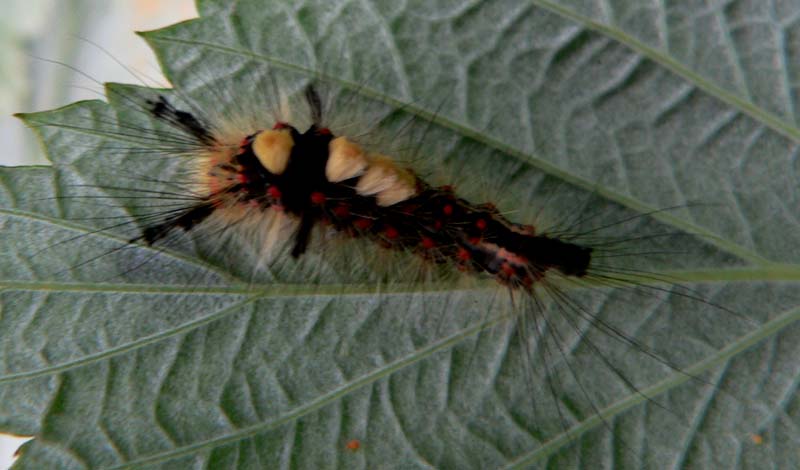
    On a totally different note, yesterday I found an amazing caterpillar (Vapourer Orgyia antiqua) and a frog. Hope the frog takes residence in my pond!

  • Almost one year

    Crop updates, misterious finding.

    It is almost one year since I got my allotment, but before I can sit and reflect on progress, there are some crops that I can still plant: barbe di frate and cima di rapa quarantina so I have to hurry digging the beds before it’s too late (one year and I still have not finished digging the allottment through).

    Besides, I have to clear the onion bed and plant green manure before it gets all weedy again.

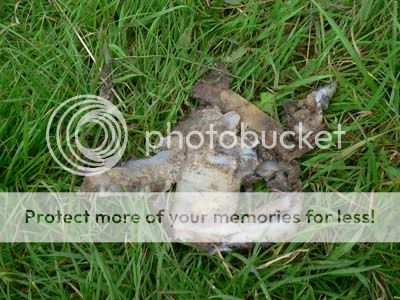
    Last time I found something that looked like fish skin but without scales, white and grayish, wettish… I could not disentangle it but I guess it might be some sort of snake skin – although I had never seen a so-to-speak ‘fresh’ one – or maybe it is leftovers from a rat’s burrow; neither option is too exciting though!

    Anyway, today the sun has come out – albeit timidly – so I am now going to try and do all I can and to check on the Florence fennel I have transplanted. It was too thick and I never have the heart to thin out seedlings and throw the weak ones away.

    Crops now on: leeks (some of it just transplanted), potatoes (what is left of my summer crop), beans (flowering now), fennel and parsley, herbs (I have quite a big patch), courgettes (although the slugs are feisting on them) and pumpkin/courgette flowers (delicious and nutritious in an omelette, or deep fried in batter).