Orto di Casa Cecconi

My first allotment, and then one thing leading to another…

  • A frosty day on the plot

    This morning I did go to the allotment and, opening the shed, I found it deceptively dry and almost cosily cool. However, the graceful lacey pattern on the inside of the roof left no doubt that there was no hope for any gardening today!

    In fact it was so cold that the soil was frozen even inside the greenhouse: remember the chilli plants that were almost going to flower at the beginning of December? The stems have now burst, under the pressure of water in the cells expanding into ice… this certainly shows what an amazing system frost-resistant plants use to prepare for winter (called “cold hardening“: they accumulate sugar as an antifreeze and leak water outside the cells, much as emptying a bottle a little before putting it into the freezer).

    There was obviously nothing to do, except taking pictures of the amazing scenery. There’s a few, so they are worth a Flickr slideshow. Here they are – hope you enjoy!

  • Happy New Year!

    Deary deary me, it’s the start of a new year already, and I am already looking forward to spring: there’s something in the air right now that feels new and full of promise.

    The reality however is that over the holidays I have done nothing at the allotment, not even watered inside the greenhouse (which I had locked against intruders, but it’s not proved very convenient as it is laborious to open for me as well). Neither have I studied towards my horticulture diploma. I am still tired from last year and feel very very lazy!

    While I gather together all my energies to start anew, I wish you all the best for the new year, gardening or otherwise!

  • Merry Christmas!

    … I’ll be back as soon as it’s thawed.

    Merry Christmas and a healthy and prosperous 2010 to all my followers!

    m.p.

  • Alliaceae in place and hibernated ladybirds too

    Yesterday I spent another four hours at the allotment, and I finally planted all the Alliaceae: garlic Vallelado (plus two species Neil gave me), onion Shakespeare, shallot Vigarmor.

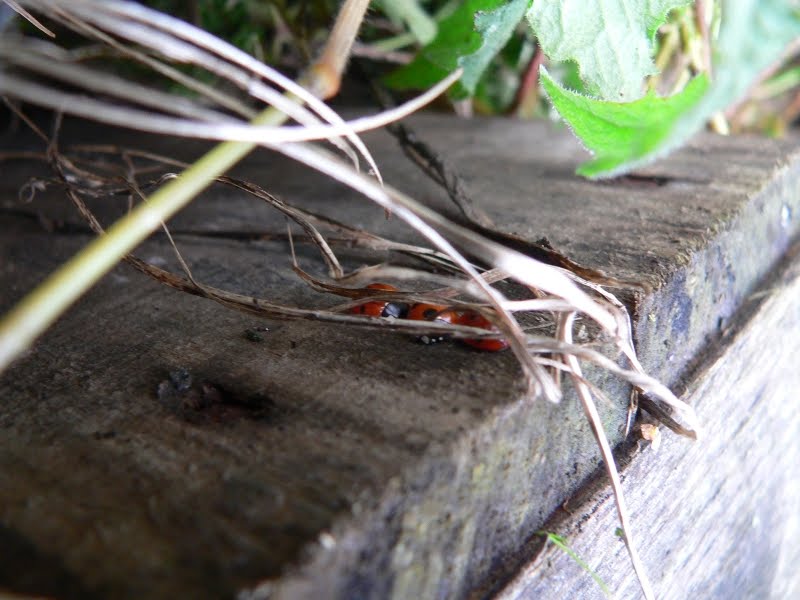
    I have never seen so many hibernated ladybirds; actually I had never seen any in the previous two winters, so I guess that is a very good sign – they were all native as well.

    The ones below were in my compost heap, but I found another four while digging – I picked three and put them on the pallets around the compost heap, for shelter, one I lost in the undergrowth. Frankly, that has put me off digging a little bit, and clearing the plot does not feel too good at this time of the year either. Obviously it is confirmed to me that native ladybirds like messy long grass and weeds – a habitat that is increasingly lost.


    Will have to figure out how to keep an area in the plot that is messy enough, even when it’s not by mistake like this year. This is in the interest of nature and also of my gardening finances: a pack with 25 ladybirds against aphids’ infestation sells for £20+!

  • I made it!

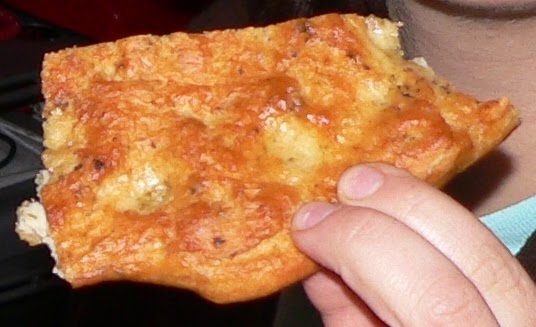
    I came up with the almost-perfect sage focaccia recipe, I tried it twice and both time it was good, so I can share it: was fairly easy!

    Step 1: make the dough

    Anything from 350gr organic flour, I mix it with a handful of wholemeal as well, a pinch of salt or two, yeast (1 teaspoon fast action yeast), enough lukewarm water, added a bit at a time, so that the dough does not become too sticky and impossile to take from your hands. It must be elastic but not wet. After kneading for around 10 mins, make a ball, cover and leave in a warm place (I leave it on the hob while the oven warms up below).

    Step 2: raising

    Leave to raise for a minimum of half an hour to two hours. Chop a handful of sage in the meantime, in tiny fragments and soak in extravirgine olive oil. Halfway through raising (depends how much you leave it) mix the sage and oil with the dough – it will be a bit squishy-squashy, but you make the ball again and leave to finish rising. Turn on the oven to 7 at least half an hour in advance.

    Step 3: place in the oven

    Find a heavy rectangular oven tray with low sides, oil it with extravergin olive oil, spread the dough with your hands, cover with more oil, sprinkle with salt and pierce here and there with a tootpick or a fork.

    Step 4: cook

    Cook for half an hour or so, until lightly brown. The perfect focaccia has oil-filled ‘dimples’. And I managed to get some: delicious!


    Updated 15 Aug 2012 with improved recipe

  • Sage

    The other day when I covered my herb patch I had to cut back the biggest plants, among which sage.
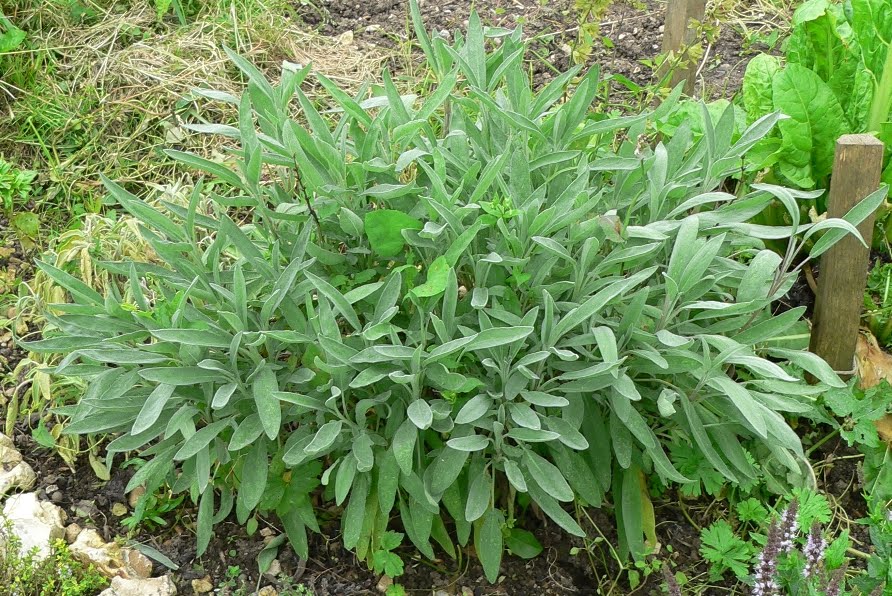

    In my experience, when it does not die a short while after planting, a sage bush is very prolific, and so mine has been. I have dried and saved a good few leaves, more than I will ever need in one year already, so I decided to take the latest crop to the office. When a colleague said: “And how I use it?” I thought I would make a post about sage.

    From a quick research online, it turns out the genus Salvia belongs to the mint family (Labiatae or Lamiaceae). Salvia comes from the Latin for “to save”, to represent the belief in the medicinal properties of the herb. Several saying go back to the Middle Ages, and there is apparently an English proverb that goes: “He that would live for aye, Must eat Sage in May”.

    Some of the properties attributed to sage are:

    • memory enhancer,
    • mouth & teeth care (I remember being told as a child to rub a sage leaf on my teeth to whiten them),
    • loosening mucus,
    • reducing perspiration,
    • anti inflammatory.

    Too much sage oil may cause epilepsy, if I understood it right, and sage is not to be taken during pregnancy and breastfeeding.
    For culinary purposes it seems to be used mainly in Italy nowadays.
    Sage is used to flavour chicken and pork, in stuffing i.e. Sage and onion, and in the typical Roman recipe saltimbocca alla romana (veal with Parma ham).
    Fresh sage is used to make a sauce for tortellini or gnocchi burro e salvia: melting some butter in a pan with the sage leaves (without stir frying too long or burning the butter); finish with some grated parmesan. The same sauce can be put on tagliolini or tagliatelle (egg noodles), with or without some finely chopped walnuts. These are very quick and tasty recipes.

    And how could I forget sage focaccia one of the most delicious recipes of the Genoese cuisine, which I have not been able to replicate so far (but I will try again, maybe tonight).
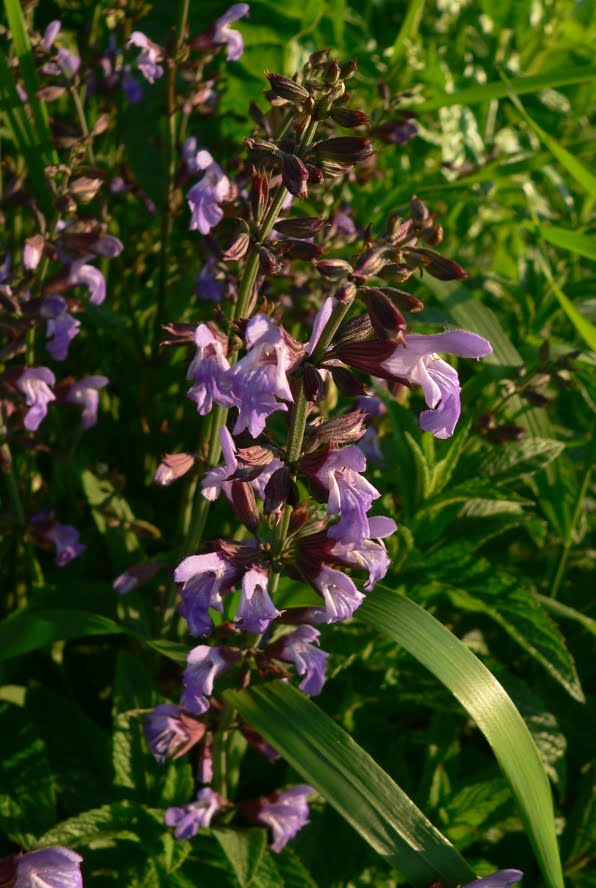
    Garden Organic also suggest to try sage flowers in pesto, salads, soups and with fish dishes. They have a milder taste than the sage leaf.
    And you, do you have any recipes to help use up my sage?

  • Finally some sun!

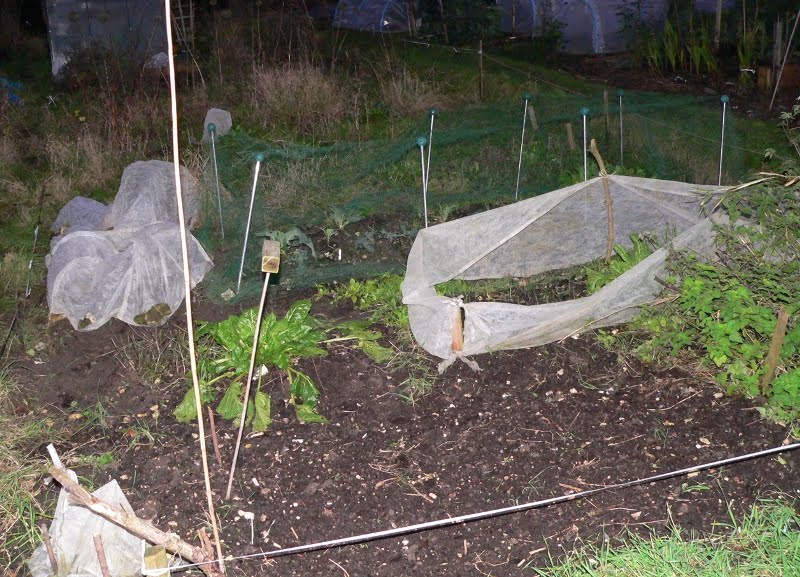
    It was sunny yesterday and, despite the mud, I managed to do a few things, like covering the herb patch (oregano still flowering) and sow some salad in the greenhouse, where the chillies are still holding on to their flower buds. I also transplanted the last brassica seedlings: a task long overdue.


    The rocket I sowed a couple of weeks ago has germinated, and the strawberries are on their way to ripening. My leek seedling are still growing too.

    Very oddly, there was a bumblebee out and foraging on my borage and, in a neighbour’s plot, two broadbean plants stood vigorous and in flower. Beside being the wettest period on record, it is still fairly warm, and plants (and insects) are obviously being tricked into thinking it might be spring already.

    But there are signs the cold is coming: the nasturtiums were all gone and the celery sported freeze burn on the edges.

    Still too wet for garlic & onions, I’m afraid; however, I will have to plant them soon before the soil goes hard.